• Exhibitions
  • Selected Works
  • Biography
  • Artist Statement
  • Selected Press & Recognition
  • Contact
Menu

Abram W. Kaplan

Street Address
City, State, Zip
Phone Number

Your Custom Text Here

Abram W. Kaplan

  • Exhibitions
  • Selected Works
  • Biography
  • Artist Statement
  • Selected Press & Recognition
  • Contact

White Out

Lime is an essential ingredient in the desulfurization of flue-gases for coal-fired power plants - scrubbing the sulfur out of the gases before they pollute the atmosphere as SO2.  This building at the Conesville facility houses the lime treatment equipment and is caked in the white powdery material.

This image was selected for the New Directions 2016, 32nd Annual National Juried Contemporary Art Exhibition at the Barrett Art Center, Poughkeepsie, NY, juried by Heather Pasanti, Senior Curator at The Contemporary Austin.

15-White Out 22x32.jpg

Local Warming

Power plants use large amounts of water (and thus are sited next to rivers or lakes) that is super-heated (with coal or uranium or natural gas) to steam.  The steam turns a turbine, which is attached to a generator, and the resulting electricity is then transferred to end users.  The water is condensed and recycled in these cooling towers, which also vent excess steam into the atmosphere.  The large hyperboloid (a shape that produces a natural upward draft) cooling towers at nuclear power plants serve the same function as these smaller units.

20-Local Warming 22x32.jpg

Kinetic Potential

Lime for the flue-gas scrubbers is crushed in a large rotating cylinder called a ball mill, and these are the large metal balls that do the crushing. 

15-Conesville Cannonballs1.JPG

Homage to Rauschenberg

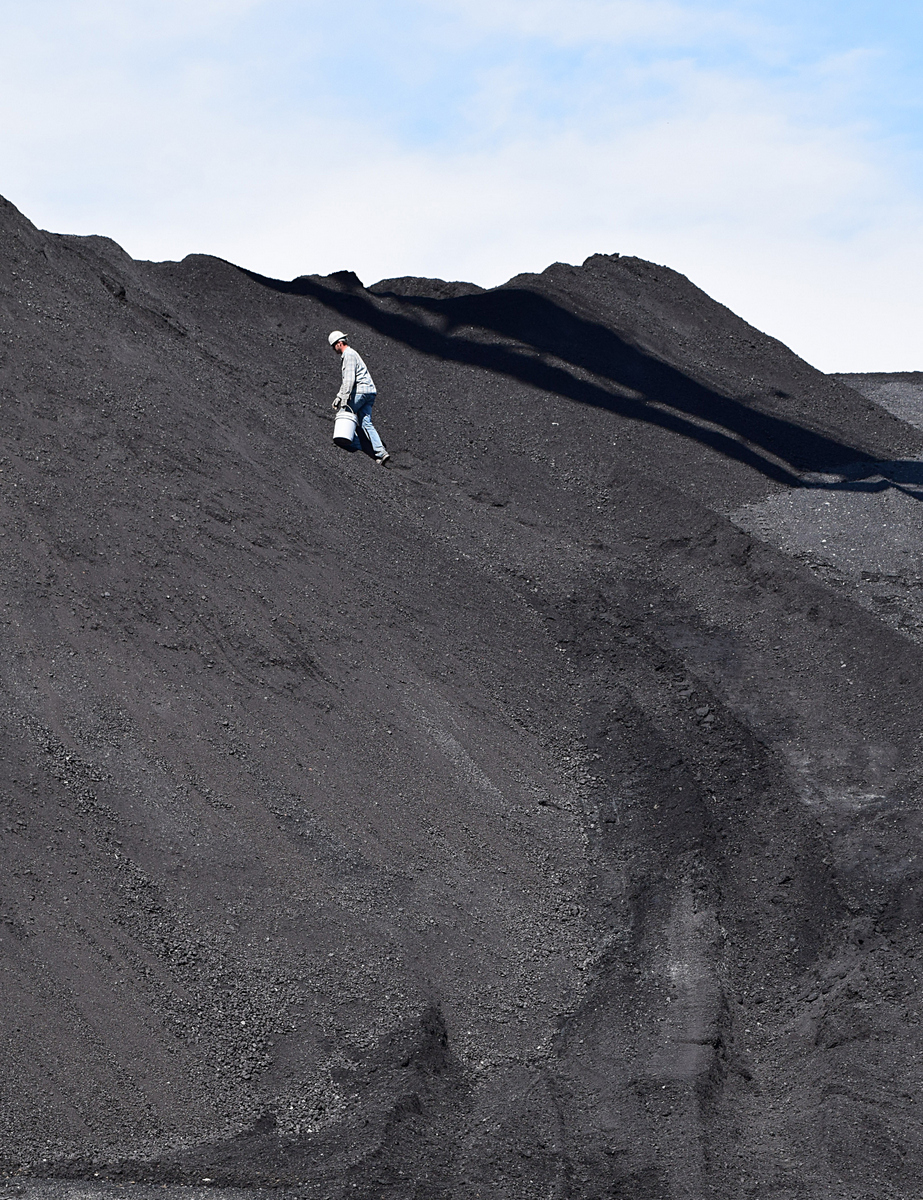
In 1953, Robert Rauschenberg asked composer John Cage to drive his Ford Model A through some black paint and then across a long series of paper sheets Rauschenberg had glued together and laid out on the ground.  The result became an iconic work of art.  A key element of his Automobile Tire Print is its dependency on the interaction between two artists.  Lumen, too, represents a collaborative effort, between my own photographic work and the influence of Earl Duck as my host and tour guide at Conesville.  Without Earl, I would never have stood on the end of a coal conveyor belt, looking down on the fresh bulldozer tracks in the mountain of coal, attempting to capture the traces of that fleeting moment in time.


18-Coal Tracks 22x32.jpg

Interstitial

Smoke stacks are deceptive beasts:  They produce mainly steam, not smoke, and what you see from the outside is not the actual stack.  I did not understand that until I had the chance to take a tiny elevator up the side.  I learned that they consist of two distinct columns:  a liner and a shell.  The liner can be made of brick or fiberglass, and it carries gases into the atmosphere.  The shell is typically concrete, shielding the liner from wind and weather.  There is a small space between the two layers, with access points along the way up for monitoring and repair services.  This photo was taken at 500-feet elevation, looking straight down between the liner and the shell, with two access grates clearly visible below.

21-Down Stack 22x32.jpg

Precious Stone

Coal comes in many forms, but sulfur content is the most important distinction these days.  Low sulfur coal comes mainly from Montana and Wyoming, on mile-long trains traversing the countryside.  Conesville uses high-sulfur Ohio coal, which necessitates more pollution control.  Regardless, this shiny, jewel-like carbonized plant matter is the precious source of at least one third of all electricity generated in the United States and nearly all of the power we use in central Ohio.

1-Coal Ready1.jpg

Source of Power

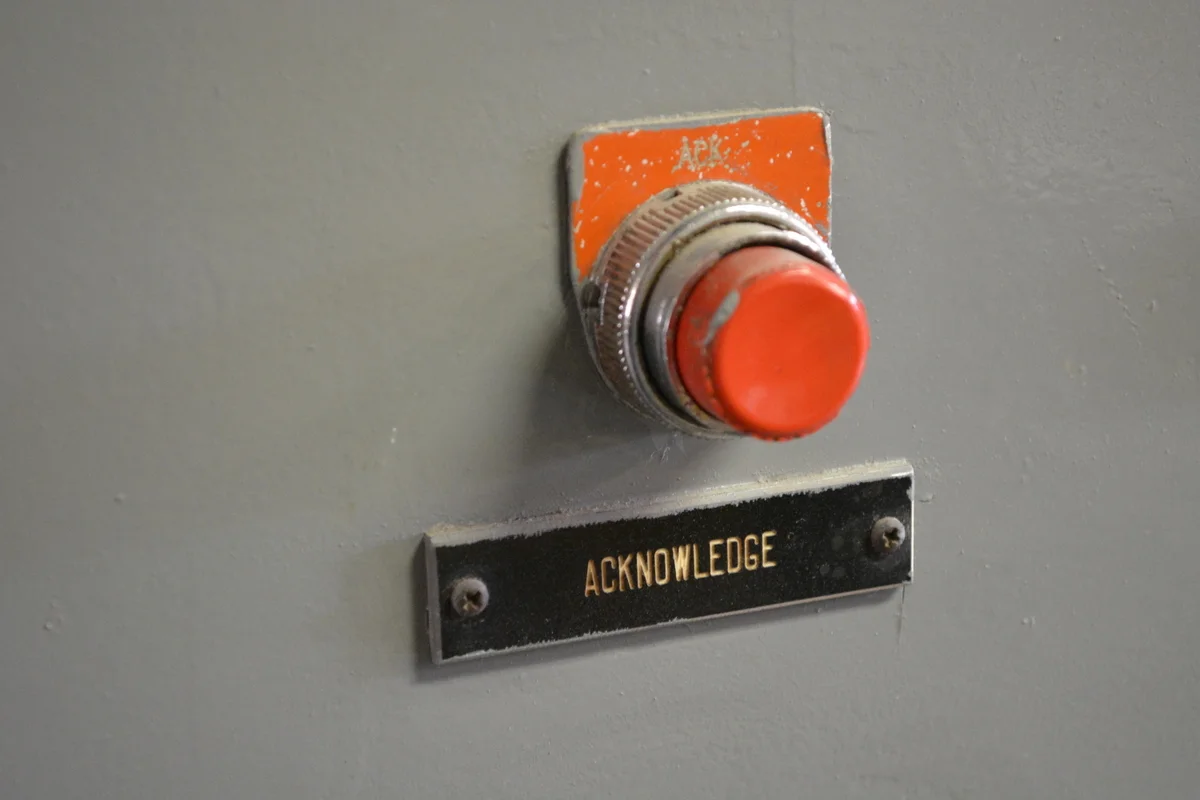
Whenever an alarm sounds at a power plant, sirens go off and warning lights appear in the control room.  A pump failure, pressure loss, and a small water leak may not be a major cause of worry, but multiple alarms will result.  The cacophony of light and sound can be overwhelming to the plant operators, and "Acknowledge" is the button they push to indicate that they know there's a problem and they don't want to hear the sirens and alarm bells.  Which just goes to show that power is a relative thing.

18-DSC_0076.JPG

Godliness and Cleanliness

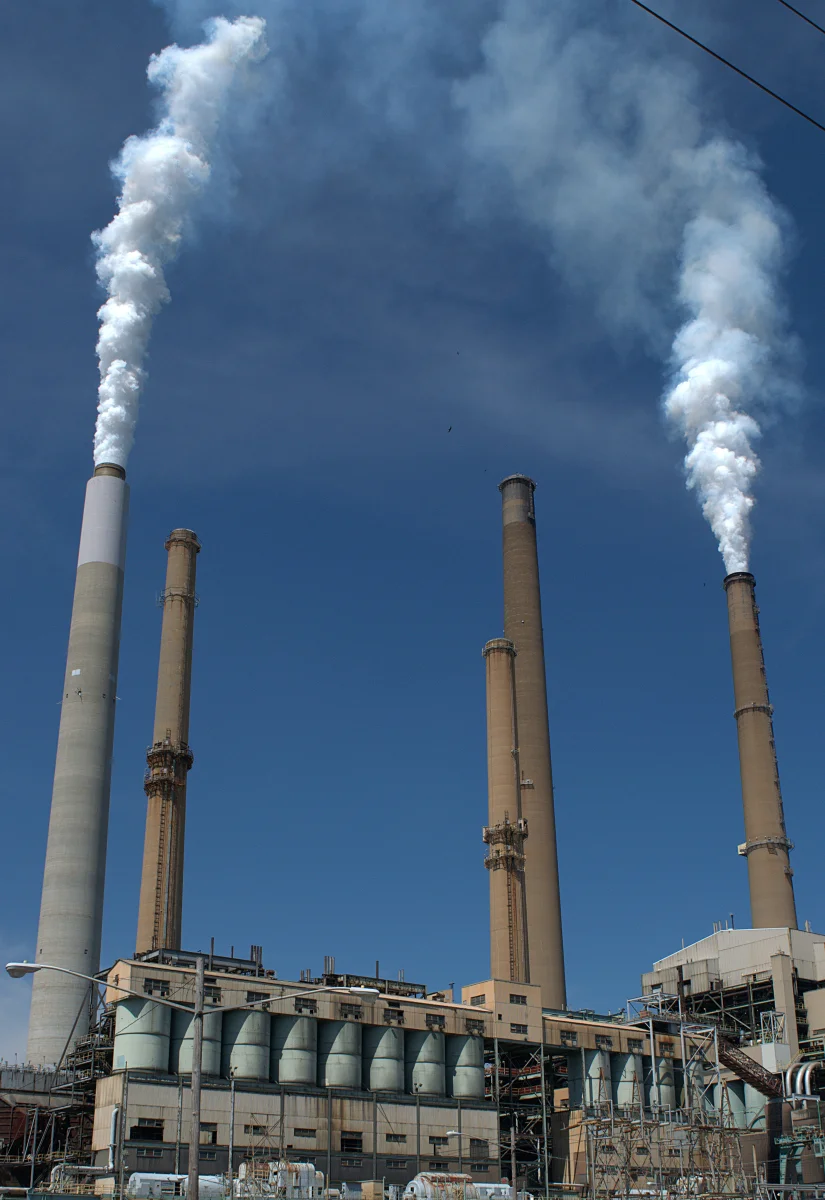
Of the five smoke stacks at Conesville, only two still operate after older generation units were shut down.  Most of the exhaust from these stacks is steam, and the vultures regularly fly through the thermal currents created by the updrafts.

06-Four Stack Arch 22x32.jpg

Surface Tension

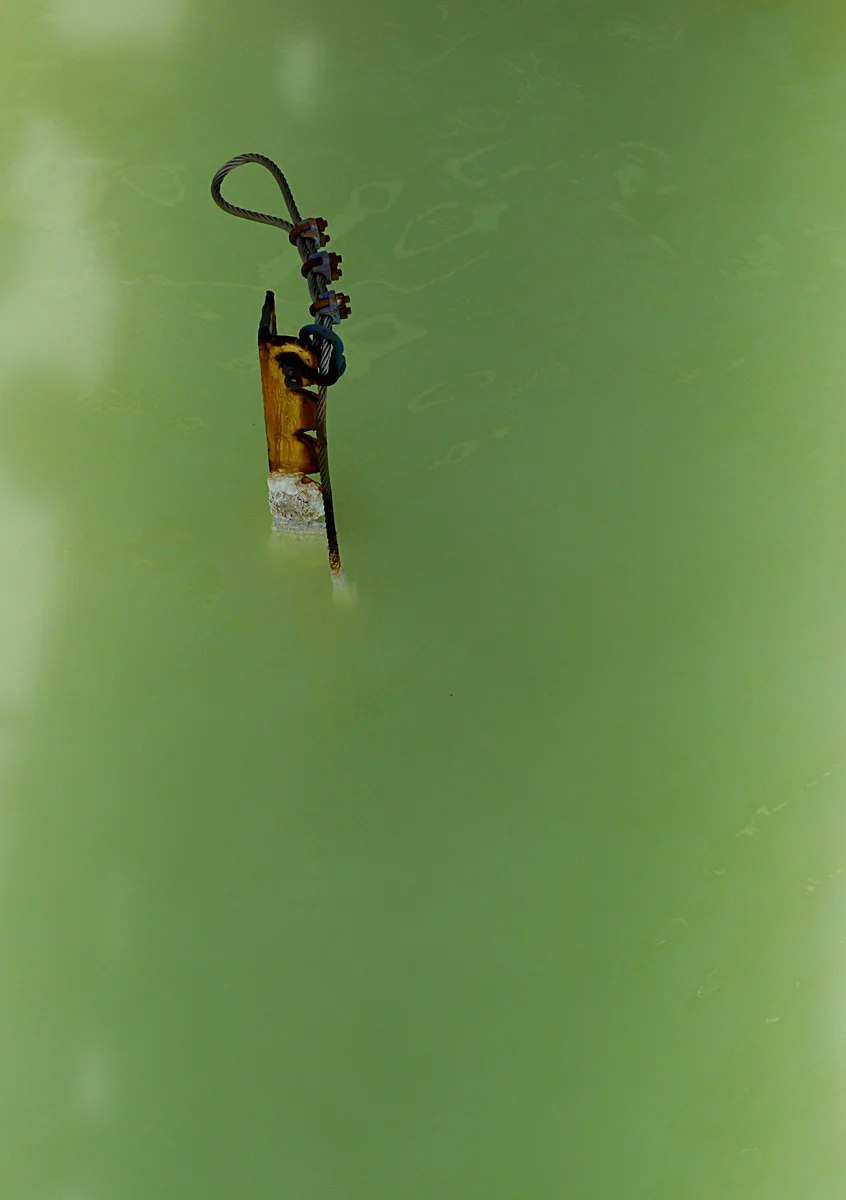
Water is a critical part of power production.  For example, it is boiled to create the high-pressure steam that turns a turbine so that power can be made.  Water is also circulated to condense the steam for re-use, and at the end of the process it is combined with lime to create a slurry that extracts sulfur from flue gases.  Conesville treats 20 million gallons of water a day with large “clarifier” tanks that remove solids and purify the water.  This image focuses on the drain, and the transition from clean to dirty to clean.

1-Conesville Water Treat1.jpg

Greenwich Line

16-Conesville East-West1.JPG

Walk the Coals

05-Walking the Hot Coals1.JPG

Treatment Center

11-Lime Stew1.JPG

Coal Fields

Coal Fields1.jpg

Critical Junction

08-Junction 22x32.jpg

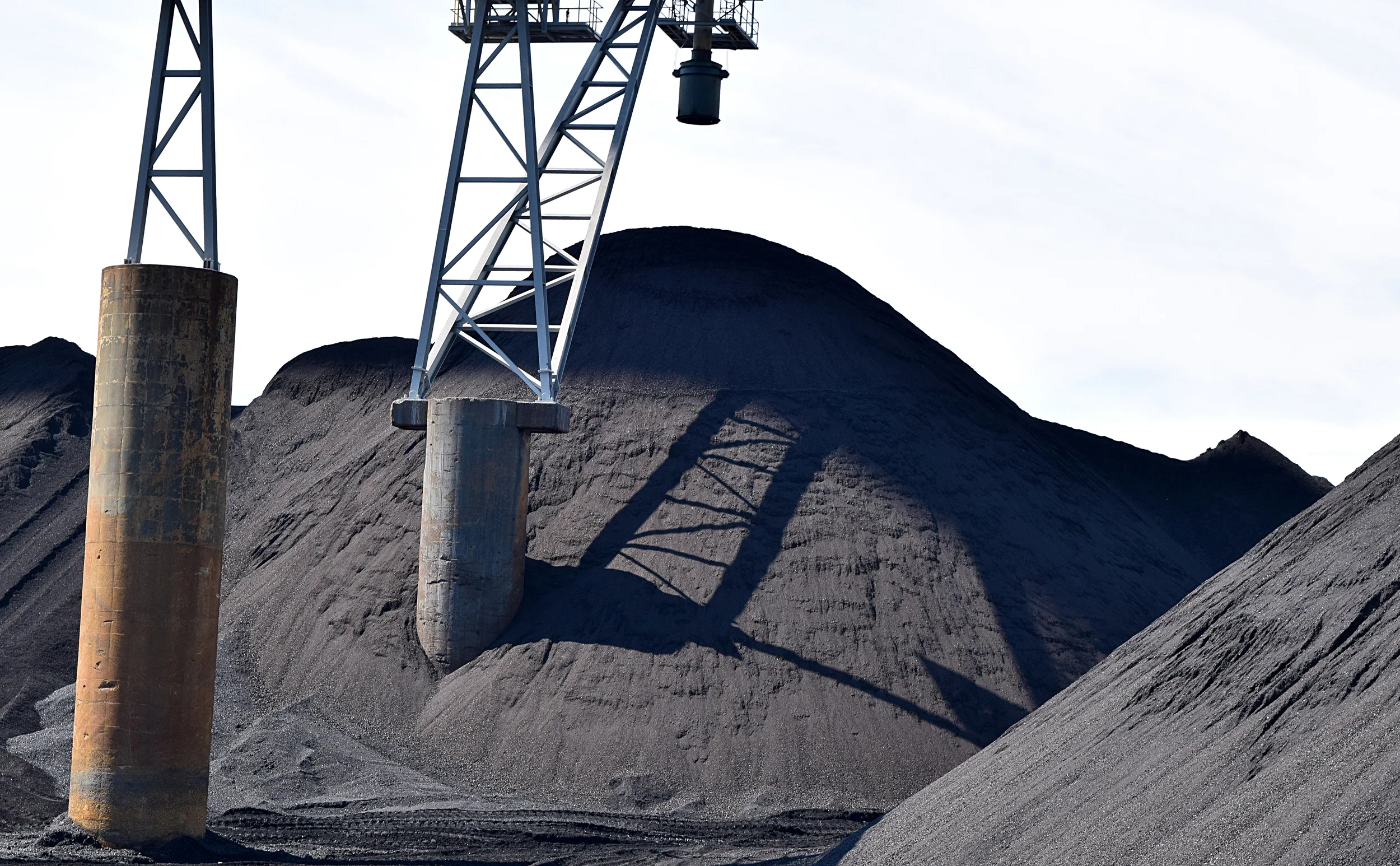
Shadowlands

06-Coal Pile Shadow1.jpg

Flying Sparks

1-Flying Sparks1.jpg

Cloud Contributor

Cloud Contributor1.jpg

Tao of Light

05-Low Light 22x32.jpg
prev / next
Back to Selected Works
1
White Out
1
Local Warming
15-Conesville Cannonballs1.JPG
1
Kinetic Potential
1
Homage to Rauschenberg
1
Interstitial
1-Coal Ready1.jpg
1
Precious Stone
Acknowledge.jpg
1
Source of Power
1
Godliness and Cleanliness
1-Conesville Water Treat1.jpg
1
Surface Tension
16-Conesville East-West1.JPG
1
Greenwich Line
1-Walking the Hot Coals1.jpg
1
Walk the Coals
11-Lime Stew1.JPG
1
Treatment Center
1
Coal Fields
1
Critical Junction
1
Shadowlands
1
Flying Sparks
1
Cloud Contributor
1
Tao of Light

Powered by Squarespace